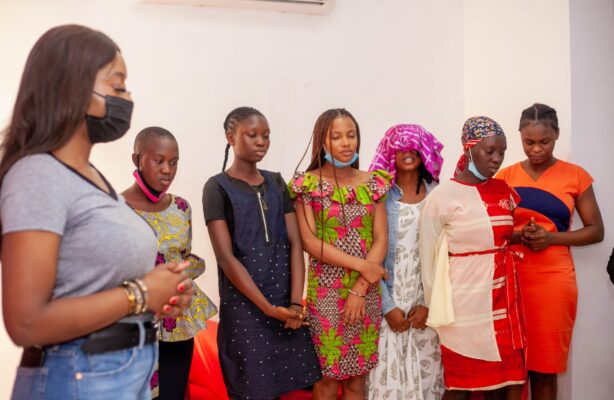
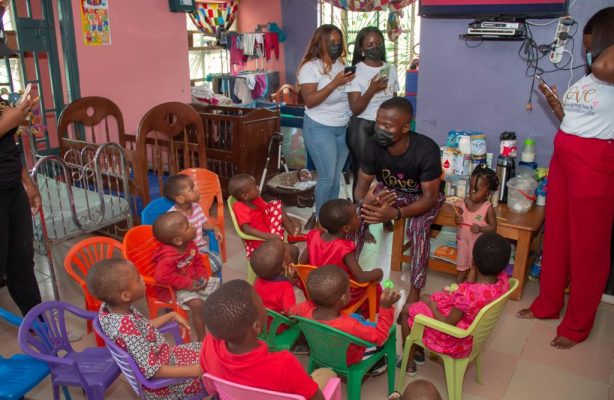
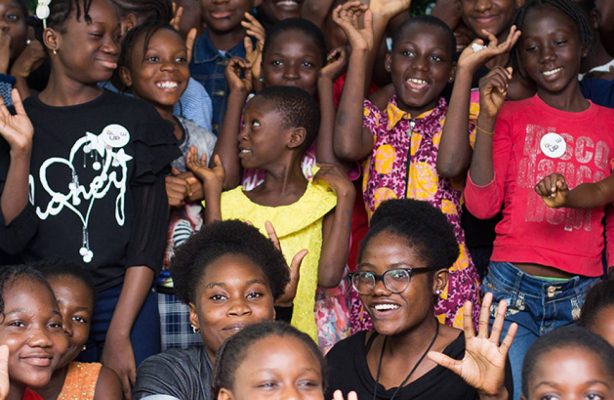
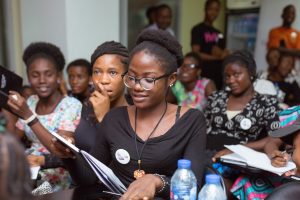
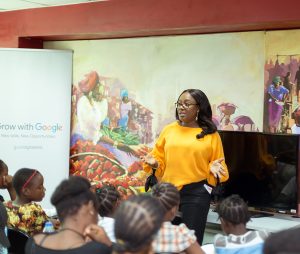
GLOW UP, which stands for Girls, Ladies, Orphans, Women United for Progress, was founded in 2018. It is a registered non-profit organisation that is centred around designing and implementing targeted skills programs through strategic partnerships, to empower female orphans and foster children aged 10 – 18 with the knowledge, skills, and confidence to be economic leaders in their communities.
Approximately 34 million adolescent girls of secondary school age remain out of school. Girls are also less likely than boys to complete secondary education, often due to child marriage, early pregnancy, and domestic responsibilities.
Read More
Last year, the completion rate at the lower secondary education level for girls in the region was, on average, 47%, and 27% at the upper secondary level, according to UNESCO data. These national figures do not even capture the reality for the most vulnerable girls – those that are predominantly rural, poor, and persistently out of school. The challenges of adolescent girls’ enrollment, attendance, and dropout rates are compounded in fragile and conflict-affected situations, which makes up approximately 40% of countries in Sub-Saharan Africa
Health and Well-Being
Girls aged 5-9 have a relatively high risk of dying from preventable infectious diseases such as lower respiratory infections, diarrheal diseases, or malaria. The main women’s health issues among adolescents are mental health and injuries, HIV/AIDS, adolescent pregnancy,
Read More
substance use and nutrition. In 2021, about 132 million adolescent girls aged 10–19 lived in the African Region, and making 22% of the total female population in the Region. Adolescent sexual and reproductive health (ASRH) continues to be a major public health challenge in sub-Saharan Africa where child marriage, adolescent childbearing, HIV transmission and low coverage of modern contraceptives are common in many countries.
This is partly due to lack of investments in domestic food production, exacerbated by climatic shocks, the COVID-19 crisis, and impacts of the war in Ukraine. These layered crises continue to negatively affect women’s food security. Women are more food insecure than men in every region of the world. The gender gap in food security has grown 8-fold since 2018 , which is set to deteriorate further. In addition to their low decision-making power, the food and nutrition crisis is hitting women harder because they bear the brunt of households’ coping strategies in tough times, including reducing the quality of their food and curtailing meal amounts
Shelter and Housing
The last time a global survey was attempted – by the United Nations in 2005 – an estimated 100 million people were homeless worldwide. As many as 1.6 billion people lacked adequate housing (UN Habitat, 2022). In 2021, the World Economic Forum reported that 150 million people were homeless worldwide.
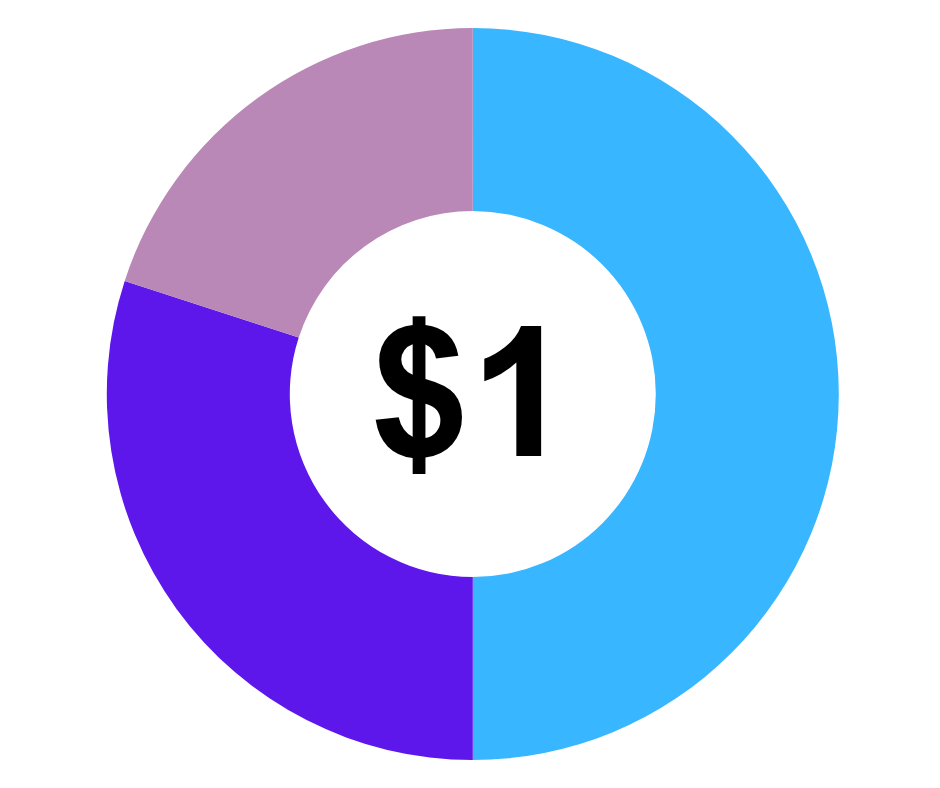
How we spend your $1
0c
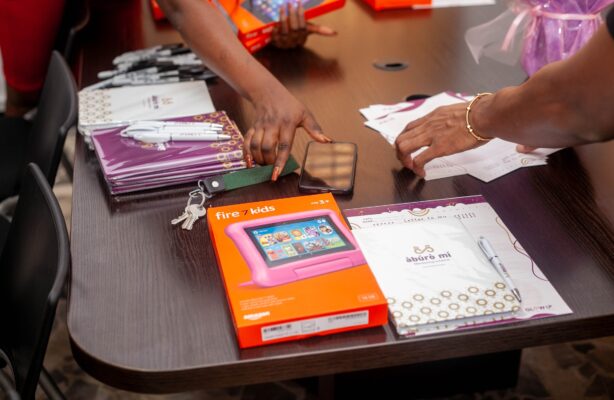
On Education – including scholarships, funding the Aburo Mi mentoring scheme and educational resources such as textbooks, laptops, etc.
0c
On Housing – including food, toiletries, provisions, shelter, refurbishments, furniture, kitchen utensils and appliances
0c
On Healthcare – including medication, health assessments (eye, dental, full body), health treatments.