Breaking Intergenerational Poverty — The Economic Case for Investing in Orphaned Girls
Orphanhood is not only a humanitarian concern, it is an economic one. When girls lose parental care and lack support, poverty is often passed from one generation to the next.
Orphanhood is often framed as a moral or humanitarian issue. It is also an economic one. When girls lose parental care and don’t receive stabilizing support, the result is often lifelong poverty, passed on to the next generation.
But when girls are educated, healthy, and economically empowered, outcomes change not only for them, but for their future families and communities.
The macro picture: why girls’ empowerment is “high-return”
Economic research consistently finds that investing in girls’ education and skills yields measurable growth benefits.
A World Bank working paper compiling global evidence cites earlier cross-country simulation findings that:
- increasing girls’ secondary education is linked to national income gains (e.g., a cited simulation showing that a 1% increase in girls’ secondary education can correspond to a 0.3% increase in annual per capita income).
While estimates vary by method and country, the overall direction is consistent: gender gaps reduce economic growth; closing them increases it.
The cost of neglect
Evidence consistently shows that:
- Lower education leads to lower lifetime earnings
- Poor adolescent health reduces productivity
- Early school dropout limits labor force participation
At a societal level, this translates into:
- Lost economic output
- Higher social protection costs
- Reduced community resilience
Individual returns: what schooling means for earnings
Secondary sources summarizing World Bank-linked findings commonly cite that women’s income can rise substantially with additional schooling (often cited as 10–20% per year of schooling, depending on context and level).
Why this matters for orphaned girls: education is often the single strongest pathway out of poverty but girls without parental care are at high risk of losing it.
Why orphaned girls are at special risk of “poverty lock-in”
The mechanisms are predictable:
- school interruptions reduce qualifications
- lack of mentorship reduces career navigation
- trauma and mental health burdens reduce persistence
- early marriage can permanently end education
Child marriage remains a major driver:
- 12 million girls marry before 18 every year
- ~650 million women alive today were married as children
The transition-to-adulthood problem has measurable economic consequences
When care systems end without economic pathways, instability rises. In England, measured outcomes include:
- high NEET rates among care leavers (19–21)
- homelessness within 2 years for about a third
Those outcomes are expensive for society and devastating for individuals: housing instability, disrupted work, and poorer health.
Why girls are the highest-impact investment
Global economic analyses demonstrate that:
- Each additional year of schooling for girls significantly increases future income
- Educated women invest more in their children’s health and education
- Female labor participation strengthens economic growth
Investing in orphaned girls therefore produces multi-generational returns.
From vulnerability to leadership
When orphaned girls receive:
- Education continuity
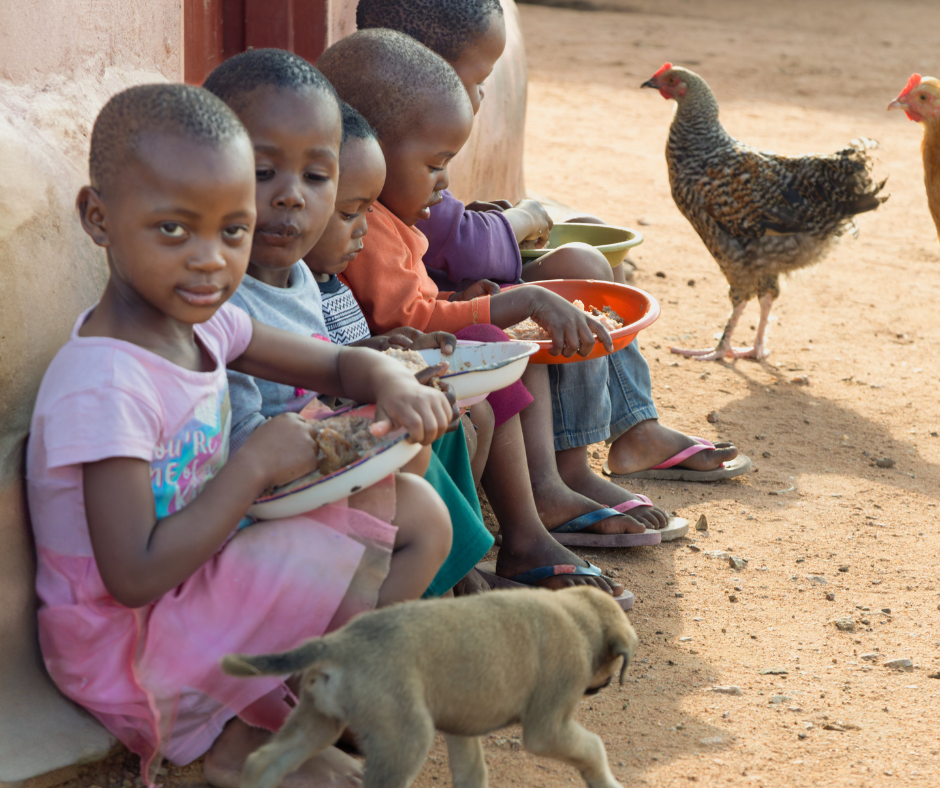
- Health and nutrition support
- Skills and leadership training
they are more likely to:
- Achieve economic independence
- Support future families
- Become community leaders and mentors
Where GLOW UP fits
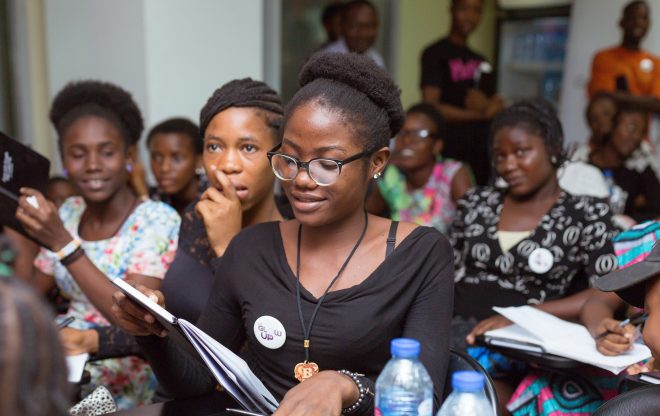
GLOW UP’s model is essentially an economic development strategy through girls:
- education protects future earnings
- nutrition supports learning and growth
- health & well-being protect persistence and safety
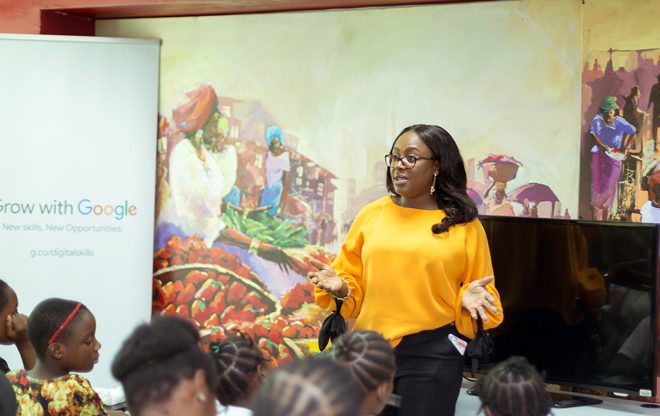
- skills training creates employability and independence
- leadership development builds agency and long-term ambition
This is how you change the next 30 years; not just the next 30 days.
GLOW UP’s role in systemic change
GLOW UP’s integrated model aligns directly with global evidence on breaking poverty cycles by:
- Investing early in adolescence
- Addressing both capability and confidence
- Treating girls as future leaders, not beneficiaries
Final reflection
The data is clear: orphanhood does not determine destiny, systems do.
When we invest in orphaned girls at the right time, with the right support, we do more than reduce harm. We create educators, professionals, entrepreneurs, and leaders whose impact reshapes communities for generations.