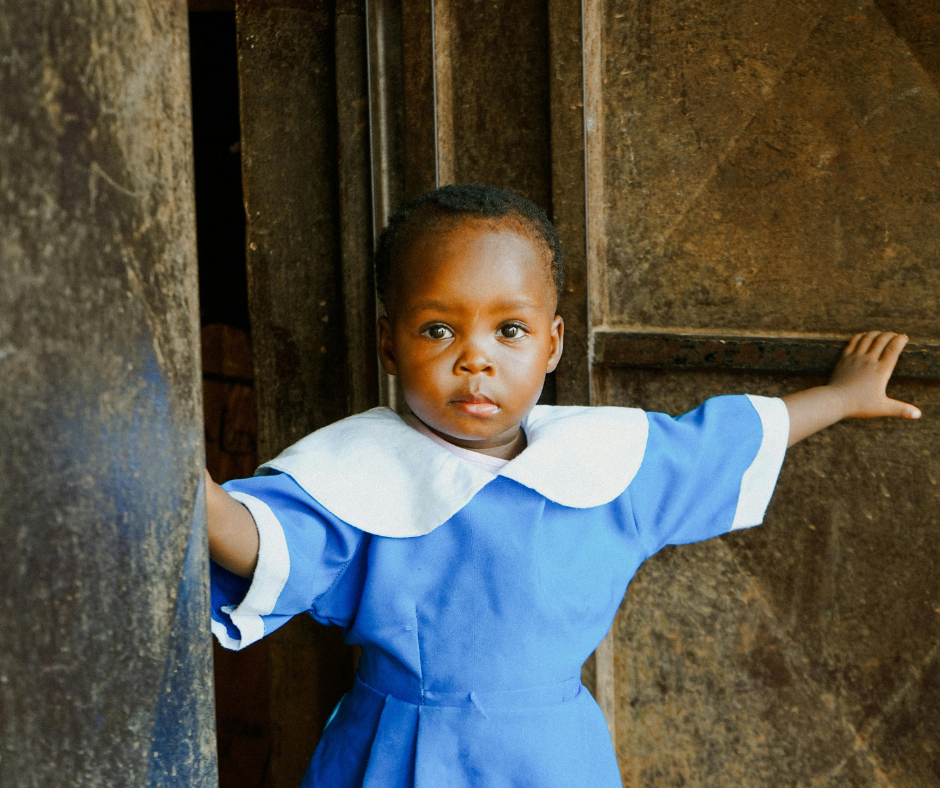
The Orphan Crisis: The trends shaping the next decade
Trend 1: A global shift toward family-based care
There is growing international momentum to reduce institutionalization and expand:
- kinship care (grandparents, aunts/uncles)
- foster care systems
- supported independent living for older adolescents
- community-based services that prevent separation in the first place
UNICEF’s focus on measuring children in alternative care and residential care reflects this strategic direction.
What’s changing: the goal is moving from “rescue and place” to prevent separation, strengthen families, and create safe pathways when family care is not possible.
Trend 2: More “single orphans,” more complex caregiving realities
Because many children losing a parent still have one surviving parent or relatives, the biggest need is often:
- household income stability
- school retention support
- mental health and trauma care
- protection from exploitation, early marriage, and child labor
This is especially true where the surviving caregiver is struggling with poverty, illness, or displacement.
Trend 3: The orphan crisis is increasingly connected to girls’ outcomes
For girls, caregiver loss and unstable care arrangements can compound risks such as:
- school dropout (especially at puberty)
- transactional exploitation and trafficking vulnerability
- early marriage pressure
- untreated reproductive health needs and stigma
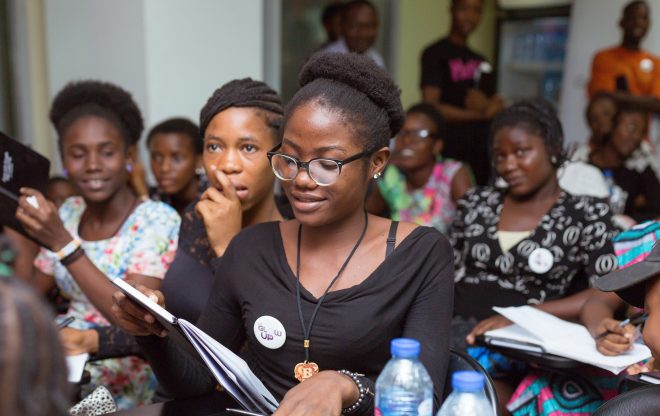
This is why programs like GLOW UP combining education, health & well-being, and nutrition are essential rather than “extra.”
Trend 4: Displacement and migration will keep rising
UNICEF’s displacement data shows a steep upward trajectory through 2024.
Climate shocks, conflict spillover, and economic instability are expected to intensify child mobility and family separation pressures.
Global outlook: what the world must do now
Addressing the orphan crisis at scale is not only about care placements; it’s about preventing caregiver loss and preventing family separation.
The most effective solutions tend to cluster into five areas:
- Keep caregivers alive: strengthen health systems, HIV treatment continuity, maternal health, and emergency health response.
- Prevent separation: social protection (cash support), disability services, parenting supports, food security, and school access.
- Build family-based alternative care: safe, monitored kinship and foster care; supported living for older youth.
- Protect children in crisis: family tracing and reunification, case management, child-friendly services in displacement settings.
- Invest in adolescence: skills training, mentorship, psychosocial support, and pathways to employment—especially for girls.
Where GLOW UP fits in: turning data into a girl’s future
GLOW UP’s model aligns with what global evidence consistently points to: holistic support is what protects girls and builds long-term independence.
For girls aged 10–18 in orphanages or foster care systems, the highest-impact interventions often include:
- education continuity and learning support
- health education and dignity resources (including menstrual health)
- nutrition support that improves attendance and concentration
- targeted skills training and leadership development
- mentorship and psychosocial care that rebuilds confidence after loss
This is how you move from “survival” to a genuine pipeline of empowered female leaders.