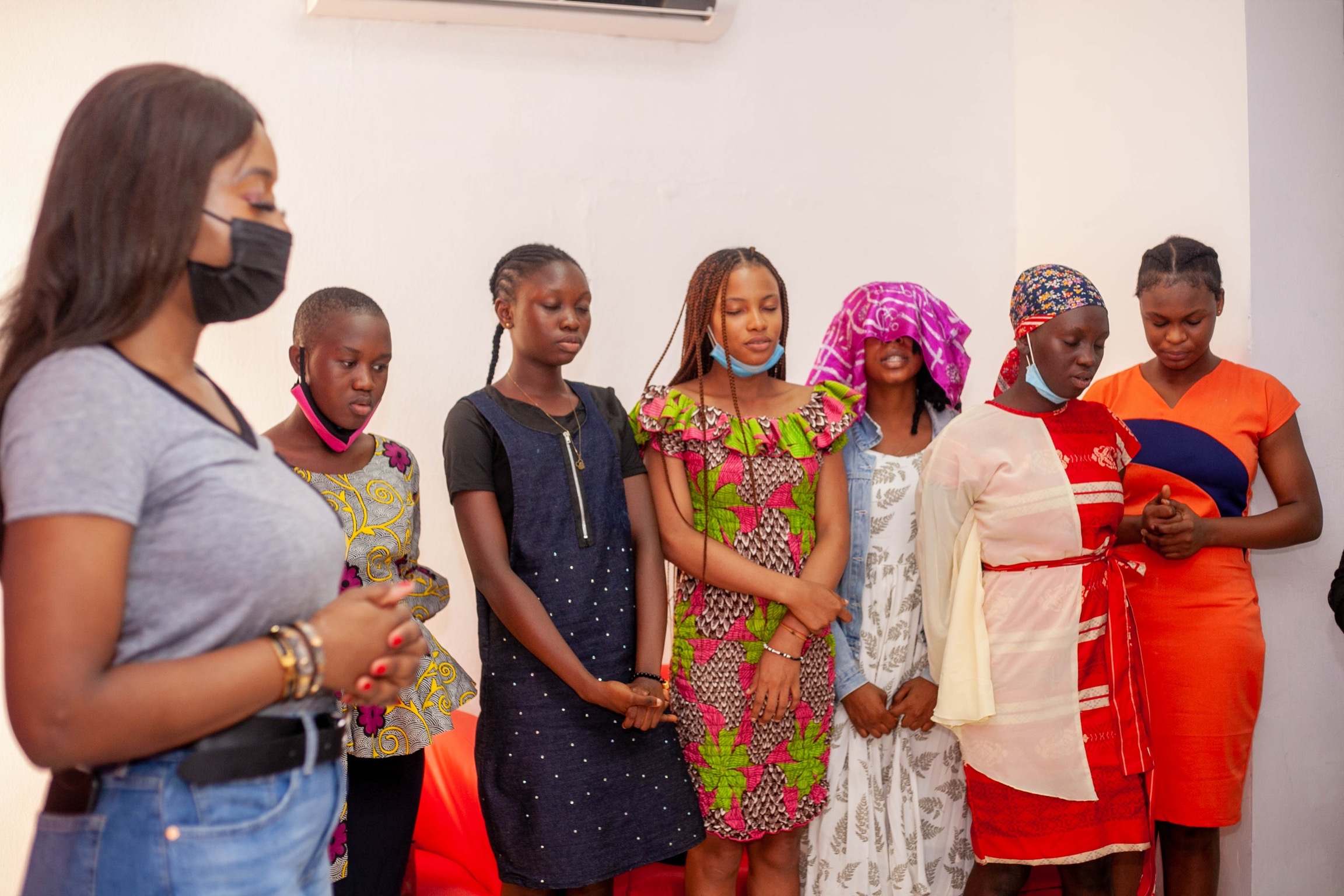
Why Girls Are Uniquely Vulnerable in Orphanages and Foster Care Systems
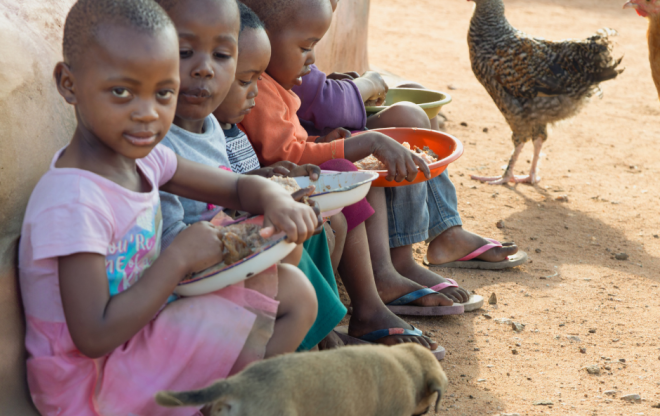
Orphanhood does not affect all children equally. Across regions and income levels, girls experience distinct, heightened risks and compounded vulnerabilities when growing up without parental care. These vulnerabilities are not biological, they are social, economic, and structural.
Gendered dimensions of orphanhood
Globally, girls without parental care are more likely than boys to:
- Leave school earlier
- Assume unpaid domestic or caregiving labor
- Experience gender-based violence or exploitation
- Enter early or forced marriage
In many contexts, families facing economic strain prioritize boys’ education, leaving girls especially vulnerable after parental loss.
Education at Risk – Education gaps widen at puberty
UNICEF data shows that girls’ dropout rates increase significantly during early adolescence, particularly among those without parental support. Contributing factors include:
- Menstrual hygiene insecurity
- Lack of school supplies or uniforms
- Social stigma around puberty
- Household labor expectations
Girls who leave school early are significantly more likely to remain trapped in poverty as adults.
Increased Exposure to Gender-Based Violence
Lack of parental protection can expose girls to:
- Exploitation and abuse
- Early and forced marriage
- Trafficking and transactional survival strategies
Health and Dignity Challenges
Girls without parental protection face elevated risks of:
- Access to menstrual hygiene products
- Reproductive health education
- Safe spaces to ask questions about their bodies
- Sexual exploitation and abuse
- Trafficking and survival sex
- Limited access to reproductive health education
Studies indicate that adolescent girls in institutional or unstable care settings are less likely to receive accurate health information, increasing risks of early pregnancy and long-term health complications.
Why girl-centered programming is essential
Generic child welfare programs often fail to address:
- Gender-specific health needs
- Confidence and leadership development
- Economic empowerment pathways
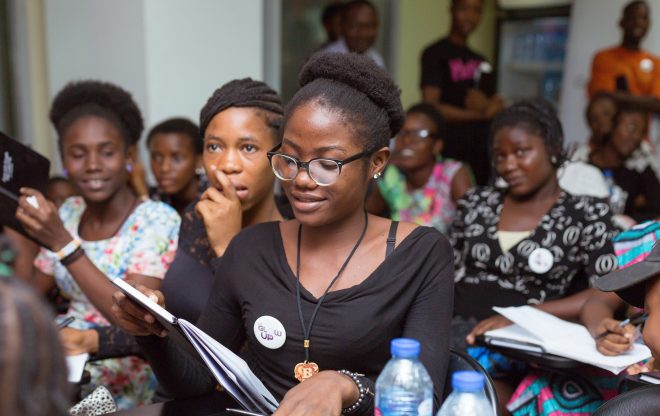
Programs like GLOW UP’s focused intentionally on girls align with global evidence showing that investing in girls yields the highest social and economic returns.
Why GLOW UP’s Targeted Programs Matter
Generic child support programs often miss gender-specific needs. GLOW UP’s girl-centered model ensures:
- Safe, age-appropriate learning environments
- Confidence and leadership development
- Health education rooted in dignity and empowerment
When girls are protected and educated, entire communities benefit.