What is The Orphan Crisis: What the World’s Numbers Really Say
When people hear the word orphan, many picture a child living in an institution with no family. The reality is more complex: most children who have lost a parent are living with a surviving parent, relatives, or foster caregivers, while many children who do live without safe parental care are not counted in “orphan” figures at all. Understanding the crisis starts with getting the definitions and data right and then looking at the forces that are reshaping childhood globally.
What does “orphan” mean?
In global data systems, an orphan is typically defined as a child under 18 who has lost one or both parents. This matters because:
· A “single orphan” (lost one parent) is still an orphan by definition.
· A “double orphan” (lost both parents) is far less common but often faces higher vulnerability.
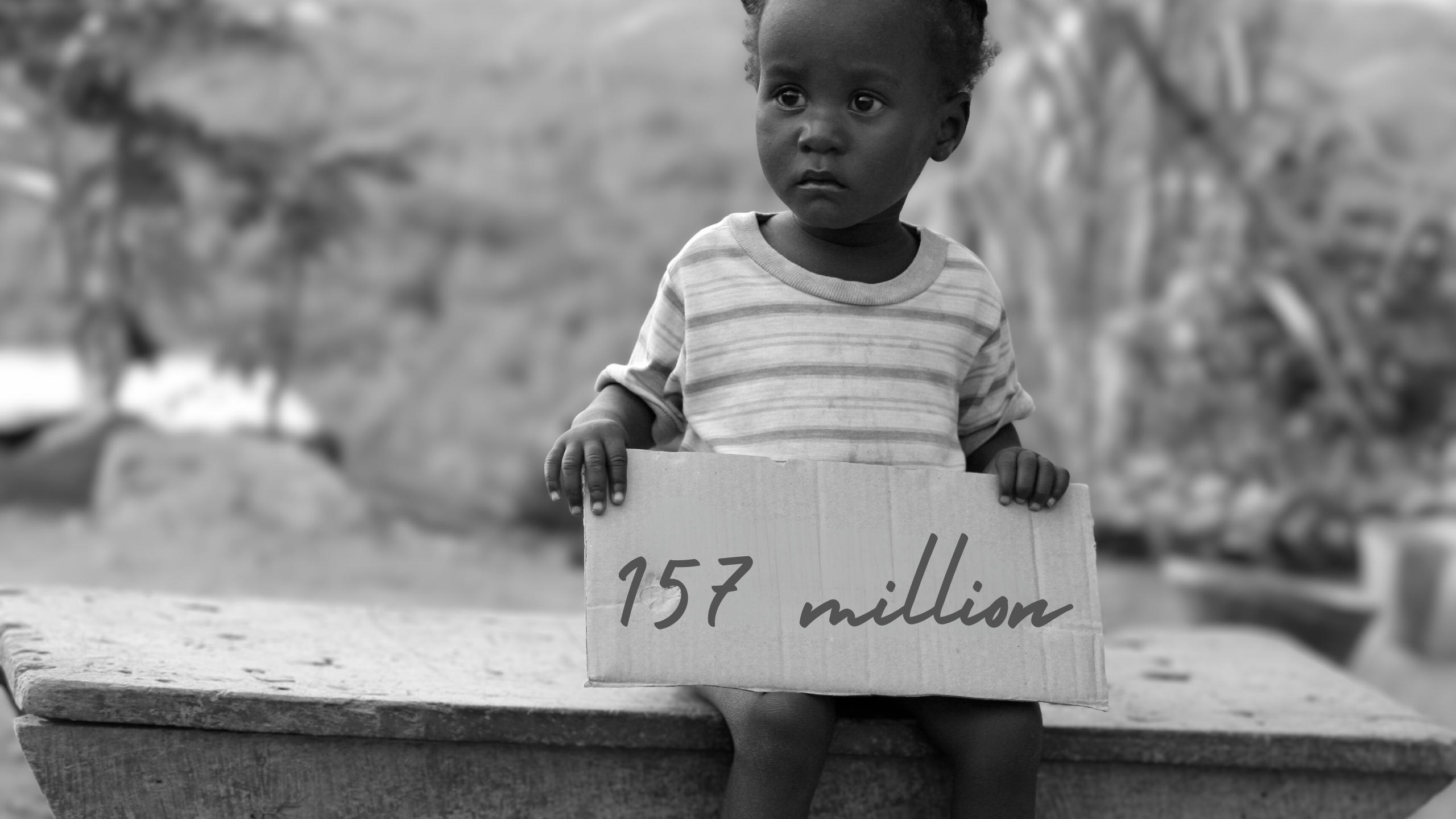
A widely cited estimate is that about 140 million children have lost one or both parents (often referenced around 2015). However, that figure is commonly misunderstood as “140 million children with no caregiver,” which is not what it means. Many still live with extended family.
Key takeaway: Orphanhood (loss of a parent) is not the same as lack of care (living without safe, stable caregiving).
The scale of the crisis: what the statistics show
1) HIV/AIDS-related orphanhood remains a major driver
Despite big progress in treatment, HIV/AIDS continues to cause parental deaths in many regions.
· As of 2024, an estimated 13.8 million children worldwide had lost one or both parents due to AIDS-related causes, with around three-quarters living in sub-Saharan Africa.
· UNAIDS also reports that in 2024, about 75,000 children died from AIDS-related causes (down sharply from 2010), showing progress but also ongoing risk.
Why this matters: every reduction in adult and child mortality prevents future orphanhood. Funding disruptions can reverse gains; especially in countries relying heavily on external support.
2) Conflict and displacement are accelerating family separation and vulnerability
Modern conflict patterns are producing mass displacement and higher rates of family separation.
· UNICEF has stated that over 473 million children more than one in six now live in areas affected by conflict, and that the share of children living in conflict zones has nearly doubled since the 1990s.
· The number of displaced children has nearly tripled between 2010 and 2024, reaching 48.8 million in 2024.
· UNICEF has also highlighted specific emergencies where children are separated at scale for example, in Gaza an estimated 17,000 children were reported as unaccompanied or separated at one point during the conflict.
Why this matters: conflict and forced displacement create sudden caregiver loss, long-term trauma, interrupted education, and economic shocks that push children into unsafe living arrangements.
3) Institutional care is still widespread and data is incomplete
Many people equate orphanhood with institutional care, but only a fraction of orphaned children live in institutions. At the same time, institutionalization can happen even when parents are alive (due to poverty, disability, stigma, or lack of services).
· UNICEF’s global data indicates that in 2024, an estimated 96 children per 100,000 were in residential care worldwide (with large regional differences).
· UNICEF has also emphasized the data gaps: one estimate based on official records from 140 countries found at least 2.7 million children living in residential care worldwide, likely an undercount.
· Europe, in particular, has been flagged for higher reliance on residential care: 277 per 100,000 children in residential care across Europe; nearly three times the global average cited in UNICEF reporting.
Why this matters: institutional care is associated with significant developmental and emotional risks especially for young children driving a global push toward family-based alternatives.
4) Public health crises can create “hidden” orphanhood
COVID-19 made the world pay attention to caregiver loss as a child protection issue. Research groups (including Oxford-based teams) produced reports showing how pandemics can rapidly increase orphanhood and caregiver death, often underrecognized until years later.
Why this matters: global health emergencies don’t just cause immediate illness—they create long-tail impacts on children’s safety, schooling, mental health, and economic stability.
Call to action
The orphan crisis is not only a humanitarian issue, it is a leadership issue. Every girl who loses a parent, every child separated by conflict, and every teenager growing up without stable care represents not just vulnerability, but untapped potential.
When we invest in education, protection, health, and skills, we don’t just help a child cope; we help a future woman lead.
Support a girl’s glow-up journey. Partner with GLOW UP. Fund a workshop. Sponsor a child’s development.